







Essential Guide to Fitting Commercial Kitchen Extractor Fans in Portsmouth
A commercial kitchen extractor fan plays a crucial role in maintaining a safe, clean, and comfortable cooking environment. In Portsmouth, where many restaurants and food businesses operate, fitting the right extractor fan is essential to meet health and safety standards while ensuring efficient ventilation. This guide covers everything you need to know about fitting commercial kitchen extractor fans in Portsmouth, from choosing the right system to installation and maintenance.

Why Commercial Kitchen Extractor Fans Matter
Extractor fans remove smoke, steam, heat, grease, and odors generated during cooking. Without proper ventilation, kitchens can become hazardous due to poor air quality, excessive heat, and grease buildup. This can lead to:
Health risks for kitchen staff
Fire hazards from grease accumulation
Damage to kitchen equipment and walls
Unpleasant dining experiences for customers
In Portsmouth, local regulations require commercial kitchens to have effective ventilation systems to comply with fire safety and hygiene standards. Installing a suitable extractor fan is not just a legal requirement but also a practical necessity.
Types of Extractor Fans for Commercial Kitchens
Choosing the right type of extractor fan depends on the kitchen size, cooking methods, and layout. Here are the common types used in Portsmouth commercial kitchens:
Canopy Extractor Fans
These are the most common and are installed directly above cooking appliances. They capture smoke and grease at the source and vent it outside. Canopy extractors often include grease filters and lighting.
Inline Extractor Fans
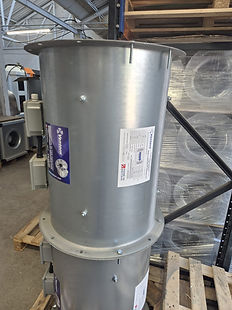
Installed within ductwork, inline fans boost airflow in long duct runs. They are quieter since the fan is away from the kitchen area and are useful in kitchens where space above cooking equipment is limited.
Roof Extractor Fans
Mounted on the roof, these fans expel air vertically. They are often used in combination with canopy or inline fans to improve ventilation efficiency.
Recirculating Extractor Fans
These systems filter and clean the air before recirculating it back into the kitchen. They are suitable for kitchens where external venting is not possible but require regular filter maintenance.
Steps to Fit a Commercial Kitchen Extractor Fan in Portsmouth
Fitting an extractor fan involves careful planning and professional installation to ensure safety and compliance.
1. Assess Kitchen Ventilation Needs
Evaluate the kitchen size, cooking equipment, and volume of cooking. This helps determine the required airflow rate, measured in cubic meters per hour (m³/h). For example, a busy Portsmouth restaurant with multiple fryers and grills will need a higher capacity fan than a small café.
2. Choose the Right Extractor Fan
Select a fan type and size that matches the ventilation needs. Consider energy efficiency, noise levels, and ease of maintenance. Fans with stainless steel construction resist corrosion and grease buildup.
3. Plan Ductwork and Venting
Design duct routes that minimize bends and length to maintain airflow efficiency. Use smooth duct materials to reduce grease accumulation. Ensure the duct terminates outside the building, away from air intakes and public areas.
4. Obtain Necessary Permits
Check with Portsmouth City Council for any required permits or inspections related to ventilation installation. Compliance with building regulations and fire safety codes is mandatory.
5. Hire a Professional Installer
Engage a qualified ventilation specialist experienced in commercial kitchen systems. Proper installation includes secure mounting, electrical connections, and sealing duct joints to prevent leaks.
6. Test and Commission the System
After installation, test the extractor fan for airflow, noise, and vibration. Adjust settings to optimize performance and ensure it meets safety standards.
Maintenance Tips for Commercial Kitchen Extractor Fans
Regular maintenance keeps extractor fans working efficiently and extends their lifespan.
Clean grease filters weekly to prevent fire risks and maintain airflow.
Inspect ductwork monthly for grease buildup and clean as needed.
Check fan motors and belts every six months for wear and tear.
Schedule professional servicing annually to ensure compliance and performance.
In Portsmouth, some businesses arrange maintenance contracts with local specialists to keep their ventilation systems in top condition.
Common Challenges and Solutions
Limited Space for Installation
Many Portsmouth kitchens have space constraints. Inline fans or compact canopy extractors can fit tight spaces without compromising ventilation.
Noise Concerns
Fans can generate noise that disturbs staff and customers. Choosing low-noise models and installing sound dampeners in ductwork helps reduce noise levels.
Compliance with Local Regulations
Portsmouth has strict rules on ventilation and fire safety. Working with local experts ensures installations meet all legal requirements.
Benefits of Professional Installation in Portsmouth
Hiring professionals familiar with Portsmouth’s building codes and climate conditions ensures:
Correct fan sizing and placement
Safe electrical and ductwork installation
Efficient airflow and energy use
Compliance with health and safety standards
DIY installation risks poor performance and legal penalties.
Summary
Fitting a commercial kitchen extractor fan in Portsmouth requires careful planning, the right equipment, and professional installation. Proper ventilation improves kitchen safety, air quality, and comfort for staff and customers. Regular maintenance keeps the system running smoothly and compliant with local regulations. If you operate a commercial kitchen in Portsmouth, investing in a quality extractor fan and expert fitting is essential for your business success.


Comments